
Tango is not just a dance but a world with a history, a culture, and a seduction that cannot be denied. Originating in the late 19th century in Buenos Aires, Argentina, and Montevideo, Uruguay, tango began as an expression of immigrant life, struggle, and romance. It has now evolved into a dance that still hypnotizes the audience and the dancers themselves with its sexuality, its passion, and its grace. Tango is now in the ballrooms, music, and festivals, and they all get caught in its web.
Origins of Tango
 Tango’s origins date back to the 1880s in the lower-class districts of Buenos Aires and Montevideo. All European, African, and Latin American immigrants invaded these cities with unique cultures, traditions, and music, blending the whole mixture into a significant cultural melting pot. It started in those packed bars and street corners, semi-European waltz, semi-African rhythms, semi-Latin. The first was tango, man, which used to be a sexy dance, all that close hold improvised steps. No, it was the thug dance, the dance of the outlaws, the dance of the can’t get it, the dance of the give-ups, the dance of desperation, the dance of the hopeless, the dance of the lovers, the dance of those who don’t fit in.
The spread of tango music in the first two decades of the 20th century led to the dissemination of tango worldwide. By the 20s, the tango had reached Paris and became the rage among the upper class. Then, it expanded into Europe and North America, branched into many different styles and became recognized worldwide.
Styles of Tango
Tango is such a loose cannon art form; so many versions of it dance with the music and culture.
Argentine Tango: It’s just so old school; it’s all about the connection, improv, and closeness of the partners. Argentine tango is badass because it’s all in the feet, and there’s no set routine that the dancers have to do; it’s all just the feel.
Ballroom Tango: It is such a formal one, the tango, the tango, everywhere, all the ballroom dances. It is just theatrical movements and sharp footwork, and it is upright, and the Argentine tango is so freaking fluid.
Tango Nuevo: Nuevo is like the experimental branch of tango; it borrows steps from other dances and is danced to “contemporary” music (contemporary as in anything from the last 50 years or so). It’s an open embrace, fast movements, new steps, and something that draws in those dancers who want to push the envelope of tango.
Milonga: It’s a short tango, but that’s the name of the tango party. It is a very triumphant style, with lots of stamping on the feet and little quick shuffle steps, almost making the tango look like a “party.
Tango Music: The Heartbeat of the Dance
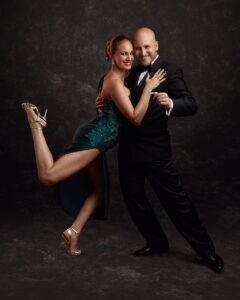 Tango is the tango, the bandoneon, the violins, the piano, the bass, the drums, the rhythms, the passion. That bandoneon (some accordion thing they use for tango music) plays that sad, soulful sound, the heart and soul of tango. Some of the most renowned tango composers and musicians are Carlos Gardel and Astor Piazzolla, who have done much for tango music. Piazzolla, in particular, revolutionized tango music by incorporating jazz and classical music into it and creating Tango Nuevo.
Many of the lyrics in tangos are about love, desire, and lust, which is the essence of tango. They’re all so dramatic for dancers, and the dance itself takes on a whole new meaning, a much more dramatic meaning.
Tango as a Cultural Phenomenon
Tango originated in Argentina and Uruguay but has since spread globally, with societies and festivals centring around the dance. Buenos Aires and Montevideo are major tango meccas, with tens of thousands of tango freaks flying down there to dance, take lessons, and bask in tango culture. Tango festivals, workshops, performances, and competitions so that dancers and musicians from all over the world can come to New York, Tokyo, Paris, and Berlin.
Also, UNESCO recognized tango as one of the most intangible cultural heritages of the world, making it even more critical as a dance and as one of the many expressions of the human creative spirit and cultural identity.
…